
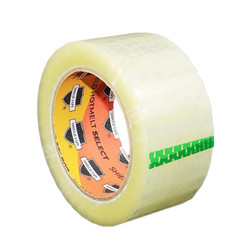
Hot Melt Carton Sealing Tape

Hot Melt Carton Sealing Tape
Shop clear hot melt carton sealing tape for quick initial tack and dependable box closure. Choose 2-inch or 3-inch widths, 110-yard rolls, and 1.6, 1.8, or 1.9 mil constructions for light- to medium-duty corrugated cartons. These hand-length rolls use synthetic-rubber hot-melt adhesive and are ideal for busy packing stations where fast grab and efficient application matter. Need longer rolls for automatic equipment? Shop our machine-length hot melt carton sealing tape.
1.6 Mil: Light-duty cartons and high-speed packaging
1.8 Mil: Light- to medium-duty cartons with added strength
Available in 2" and 3" widths, hot melt tape is ideal for operations that prioritize speed, efficiency, and immediate sealing performance.
Hot Melt vs Acrylic: Hot melt provides fast tack for high-speed packaging, while acrylic is better for long-term storage and UV resistance.
- Product
- Qty in Cart
- Quantity
- Price
- Subtotal
-

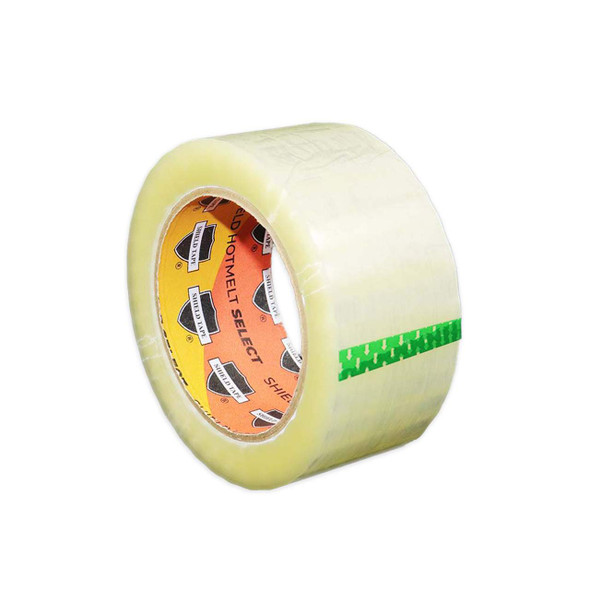
Clear Hot Melt Carton Sealing Tape, 2" x 110 yd, 1.6 Mil
Wrap-Tite
Price: $75.14Specifications Brand: Wrap-Tite SKU: 41574157Price: $75.14 -

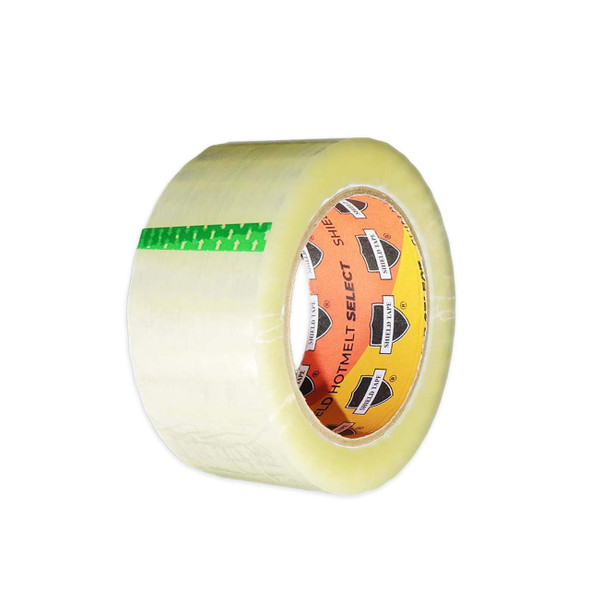
Clear Hot Melt Carton Sealing Tape, 2" x 110 yd, 1.8 Mil
Wrap-Tite
Price: $83.67Specifications Brand: Wrap-Tite SKU: 41734173Price: $83.67 -


Clear Hot Melt Carton Sealing Tape, 2" x 110 yd, 1.9 Mil
Wrap-Tite
MSRP: $118.00Price: $79.47Specifications Brand: Wrap-Tite SKU: 41274127MSRP: $118.00Price: $79.47 -

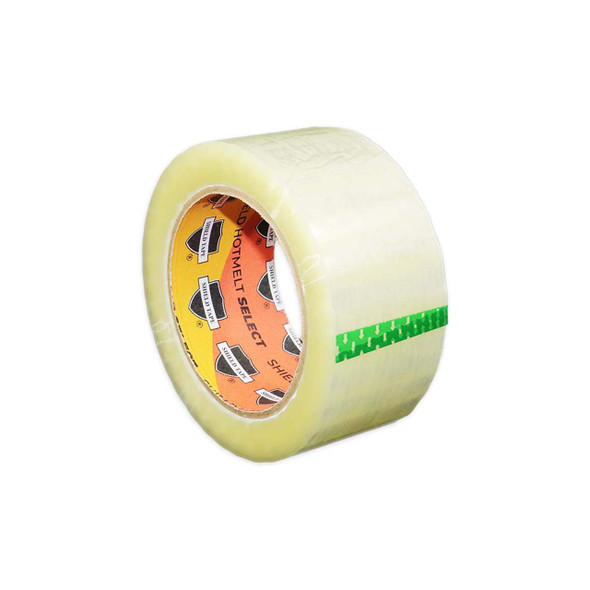
Clear Hot Melt Carton Sealing Tape, 3" x 110 yd, 1.6 Mil
Wrap-Tite
Price: $75.14Specifications Brand: Wrap-Tite SKU: 41724172Price: $75.14 -


Clear Hot Melt Carton Sealing Tape, 3" x 110 yd, 1.8 Mil
Wrap-Tite
MSRP: $139.20Price: $79.47Specifications Brand: Wrap-Tite SKU: 41284128MSRP: $139.20Price: $79.47
Choosing the Right Hot Melt Carton Sealing Tape
Hot melt carton sealing tape uses a synthetic rubber adhesive that develops strong initial tack quickly. It is a practical choice for repetitive carton sealing, order fulfillment, shipping departments, and other busy packaging operations.
Select the tape construction that fits your application:
- 1.6 mil tape: An economical option for lightweight cartons and routine packaging.
- 1.8 mil tape: Provides added strength for light- to medium-duty shipping cartons.
- 1.9 mil tape: Offers a more robust construction for packages requiring additional holding strength.
- 2-inch tape: The standard width for sealing most regular slotted cartons.
- 3-inch tape: Provides greater coverage for larger cartons or wider center seams.
Review each product’s specifications, including tensile strength, case quantity, and recommended application conditions, before ordering.
Hot Melt Tape vs. Acrylic Carton Sealing Tape
Hot melt tape is commonly selected when fast initial adhesion and efficient application are the priorities. Acrylic carton sealing tape is generally better suited to extended storage, ultraviolet-light exposure, and changing environmental conditions.
For everyday packing stations and fast-moving shipping operations, hot melt tape is often the preferred option. For cartons stored for long periods or exposed to demanding temperatures, consider acrylic or cold-temperature carton sealing tape.
Frequently Asked Questions
What is hot melt carton sealing tape?
Hot melt carton sealing tape is pressure-sensitive packaging tape made with a synthetic rubber adhesive. The adhesive grabs corrugated cartons quickly, helping operators seal boxes efficiently.
Is this tape intended for hand dispensers?
The 110-yard rolls listed on this page are intended for use with compatible handheld tape dispensers. Automatic carton-sealing equipment normally requires machine-length rolls.
What tape width should I choose?
Two-inch tape works for most routine carton-sealing applications. Three-inch tape provides wider coverage for larger cartons, heavier packages, or seams that benefit from a broader seal.
Is hot melt tape better than acrylic tape?
Neither adhesive is best for every application. Choose hot melt tape for fast initial tack and busy packing operations. Consider acrylic tape for longer storage periods, UV exposure, or more demanding environmental conditions.